
If your gutters fill with leaves and pine needles, Leaf Solution’s Xtreme gutter guards are worth a closer look. Their stainless steel micro-mesh is designed to keep debris out while allowing rainwater into the gutter. Whether they make sense for your home depends on what lands on your roof, how water reaches the gutter and the condition of the system underneath.
Xtreme is one model made by Leaf Solution. The company also offers New Wave and a separate Leaf Solution Gutter Guard model, formerly Evelyn’s Leaf Solution. This guide focuses on Xtreme.
At RCS Gutters, owner Scott brings more than 20 years of gutter-industry experience to that decision. We install Leaf Solution products across Charlottesville and Central Virginia, and we start with the property. Here is what homeowners should understand before choosing Xtreme and what a useful installation estimate should explain.
What the Xtreme design does
Xtreme combines stainless steel micro-mesh with an aluminum body. The small openings form a barrier between roof debris and the open gutter. The manufacturer describes a sloped installation that helps debris move off the surface while water passes through.
That makes Xtreme a product to consider when your gutters collect a mixture of leaves, needles and smaller debris. A homeowner dealing with pine needles has different questions from someone whose main problem is a few large leaves each fall. Looking at a sample can help: examine the mesh, the edges and the way the panel will sit on your gutter.
The useful goal is fewer debris-related cleanouts and a gutter system that remains serviceable. Keep inspection and surface maintenance in your plan, even with a well-matched guard.
Ask which Xtreme configuration is being quoted. The manufacturer lists standard and high-flow mesh options, multiple sizes, black or mill finishes, and fascia or under-shingle mounting options. Availability and suitability should be confirmed for your job. The name on the estimate should be specific enough that you know what will arrive.
Those choices give the installer details to work through with you. View a finish sample from the ground if the gutter line is visible. Discuss the appropriate size and mounting method for the existing roof edge. If high-flow mesh is proposed, ask what condition on your property makes that configuration appropriate.
Start with the problem you want to solve
Before an estimate, make a short record of what happens around your home. Does water spill at one corner, along an entire run or behind the gutter? Does it happen only after leaves fall, or when the gutter appears clear? Does a downspout discharge normally during rain?
Photos taken safely from the ground can be useful. Note the location and conditions rather than trying to diagnose everything yourself. A recurring pile beneath a roof valley deserves a closer look than a general complaint that the gutters overflow.
In Charlottesville, Barboursville and surrounding communities, nearby trees can create very different debris loads from one property to the next. Show the installer the trouble spots and describe previous cleaning or guard problems. Those details help focus the recommendation on the cause.
Check the gutter system before covering it
A guard installation is a good time to inspect what is already there. Adding a cover over a sagging run, an obstructed outlet or damaged fascia can leave the original problem unresolved. RCS checks the existing system before proposing guards.
The estimate should address these questions:
- Are the gutter runs securely attached and pitched toward their outlets?
- Are joints, corners and end caps leaking?
- Can water move through the outlets and downspout elbows?
- Is the supporting fascia sound?
- Where does water go after it leaves each downspout?
Existing gutters may be suitable for Xtreme when their condition and configuration meet the installation requirements. New gutters are not automatically necessary. If cleaning, repair or replacement is recommended, have that work identified separately so you can understand the reason and cost.
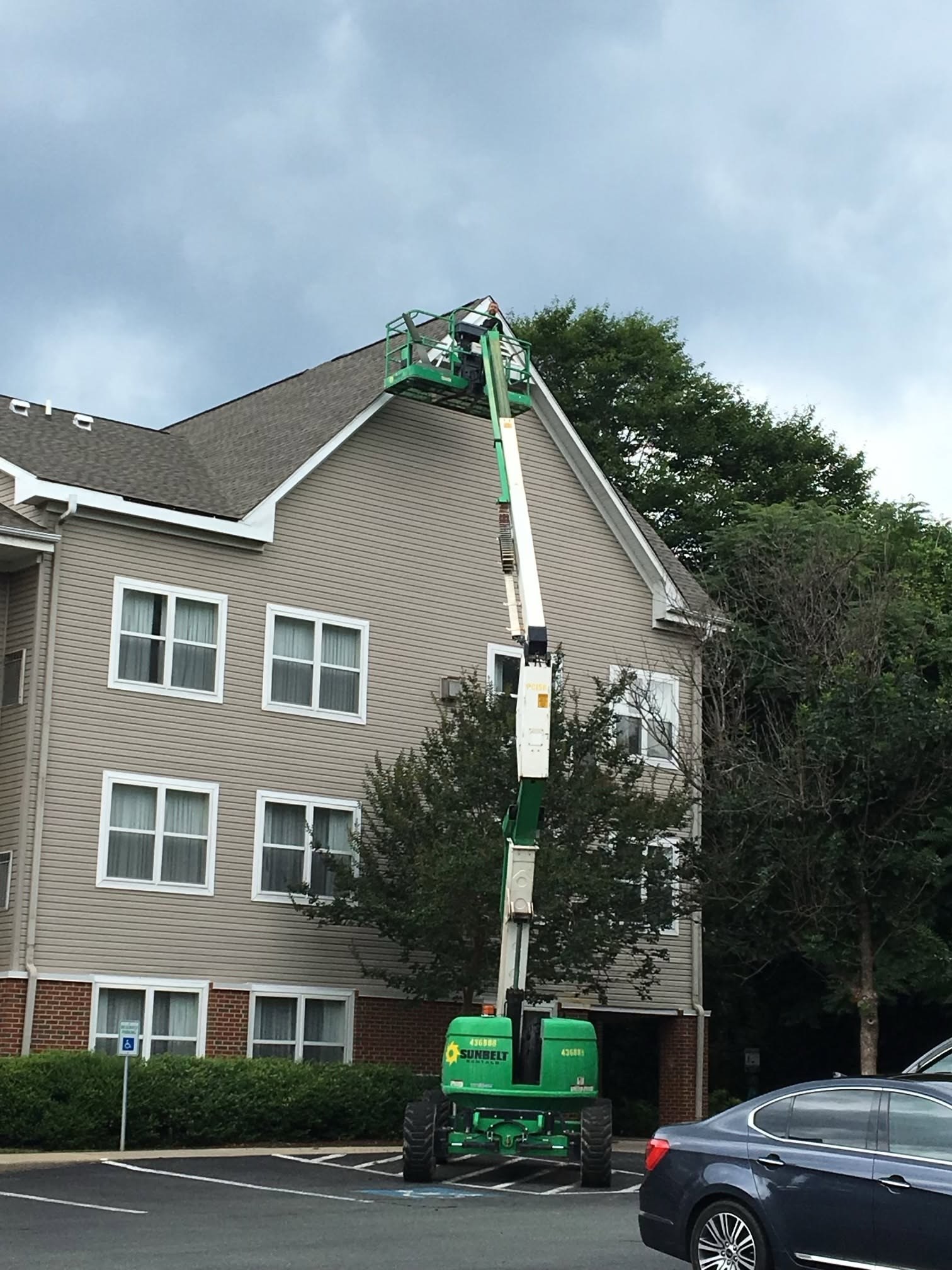
Pay attention to corners valleys and roof details
The straight sections are only part of a guard installation. Roof valleys can concentrate runoff into a small area. Corners, changes in roof height and downspouts that empty onto a lower roof also deserve attention during the walk-through.
Leaf Solution offers miter accessories for corners and valleys. Whether a particular accessory belongs on your house should be explained in the proposed scope. Ask the installer to point out the detail on your roofline and describe how it will be handled.
Also discuss the connection between the guard, gutter and roof edge. How will the panel be supported and secured? Will the proposed work affect shingles or other roofing components? How can a section be accessed later if the gutter needs service? Get answers for your actual roof and the current product instructions, rather than assuming every installation uses the same method.
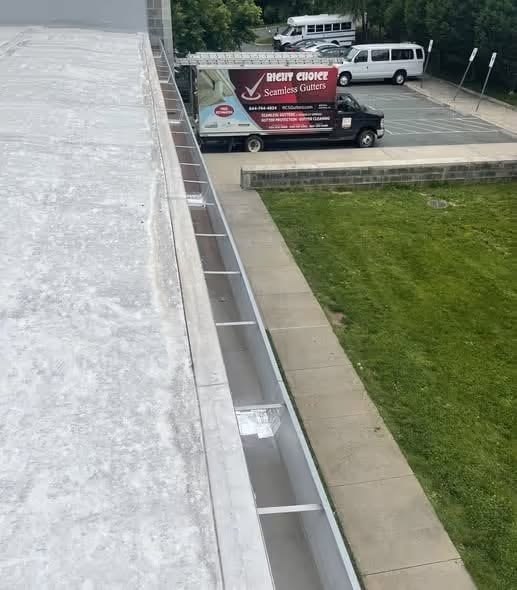
Discuss heavy rain in the context of your house
A water-flow number on a brochure cannot tell you everything about a finished gutter system. The roof area feeding a gutter, the concentration of runoff, the gutter and outlet capacity, and debris on the surface all belong in the conversation.
If you have seen overflow during a storm, show where it happens. Request an explanation of how the proposed work addresses that location and what conditions could still require attention. A clear assessment is more useful than a promise that no storm will ever cause a problem.
After installation, observe the system from a safe place during ordinary rainfall. If water consistently misses the gutter or backs up at the same point, document it and contact the installer.
Plan for maintenance you can actually manage
Gutter guards change the maintenance job. Leaves or other material may collect on top even when the gutter below stays clearer. Surface buildup deserves attention because rainwater still needs a clear path through the mesh.
Get the maintenance instructions for the exact product being installed. Discuss what can be removed safely from the ground, what requires a professional and which cleaning methods the manufacturer permits. Avoid experimenting with aggressive tools or chemicals on the screen.
Set an inspection plan around your property rather than assuming one fixed interval fits every home. Check after major debris drops and severe weather when it is safe to do so. Watch for visible buildup, loose sections and changes in how water drains.
If reaching the roofline is difficult, include professional maintenance access in the buying decision. Ask who will handle future service and how it will be priced. Do not climb onto a wet roof to inspect a guard.
Read the warranty before you approve the work
Request the current written manufacturer warranty for Xtreme with your estimate. The product name matters, and so do the terms that apply to your installation. Keep a copy with your invoice and any registration confirmation.
Look beyond the duration in a headline. Establish what qualifies as a covered defect, what remedy is offered and whether labor, removal or reinstallation is included. Check installation and maintenance requirements, exclusions, registration deadlines and any transfer rules if you sell your home.
Keep manufacturer product coverage separate from the installer's workmanship terms. Ask who to contact for each kind of issue and what documentation they will need. Neither a warranty label nor a long coverage period tells you that cleaning will never be needed or that every cause of overflow is covered.
Compare complete proposals instead of a single price
For a useful comparison, each proposal should name the exact guard and identify the gutter runs included. Look for preparation work, corner and valley details, repairs, disposal, access needs and the applicable warranty documents.
Consider future service costs alongside the installation price. A homeowner with recurring debris problems and difficult access may weigh the benefits differently from someone with little tree cover. Xtreme should earn its place in the proposal through a clear explanation of how it fits the property.
Bring three final questions to your estimate: Why is Xtreme suitable here? What problem could remain after installation? What will I need to maintain? Straight answers make it easier to choose with confidence.
Understand what drives the installed cost
The amount of gutter being covered is only one part of the price. The number of stories, safe access, roofline complexity and preparation work can change the scope. A simple run on a sound gutter is a different job from a tall roofline with several valleys and fascia repairs.
Request measurements and itemized work rather than comparing a whole-house number without context. If two quotes differ substantially, check whether both include the same sections, product configuration and repairs. Decide what needs to happen now and have any optional work identified clearly before approving the project.
Get a recommendation for your Central Virginia home
RCS Gutters is based in Barboursville and serves Charlottesville and surrounding Central Virginia communities. Scott's experience helps guide a practical assessment of the roofline, existing gutters and debris conditions before a product is selected.
If you are considering Leaf Solution’s Xtreme gutter guards, start with an on-site assessment and a written scope. Explore our gutter guard installation service and request a free estimate. We can review the options for your home and explain the preparation, installation details and maintenance to consider before you decide.